
Couples Therapy in La Quinta & the Coachella Valley, California
For couples who love each other, and are really tired of having the same argument.
You’re not here because you don’t love each other.
You can love someone deeply and still wonder how the hell you ended up having this conversation again.
Maybe one of you wants to talk until it feels resolved, while the other needs approximately three business days to recover.
Maybe “I’m fine” has become its own dialect in your relationship.
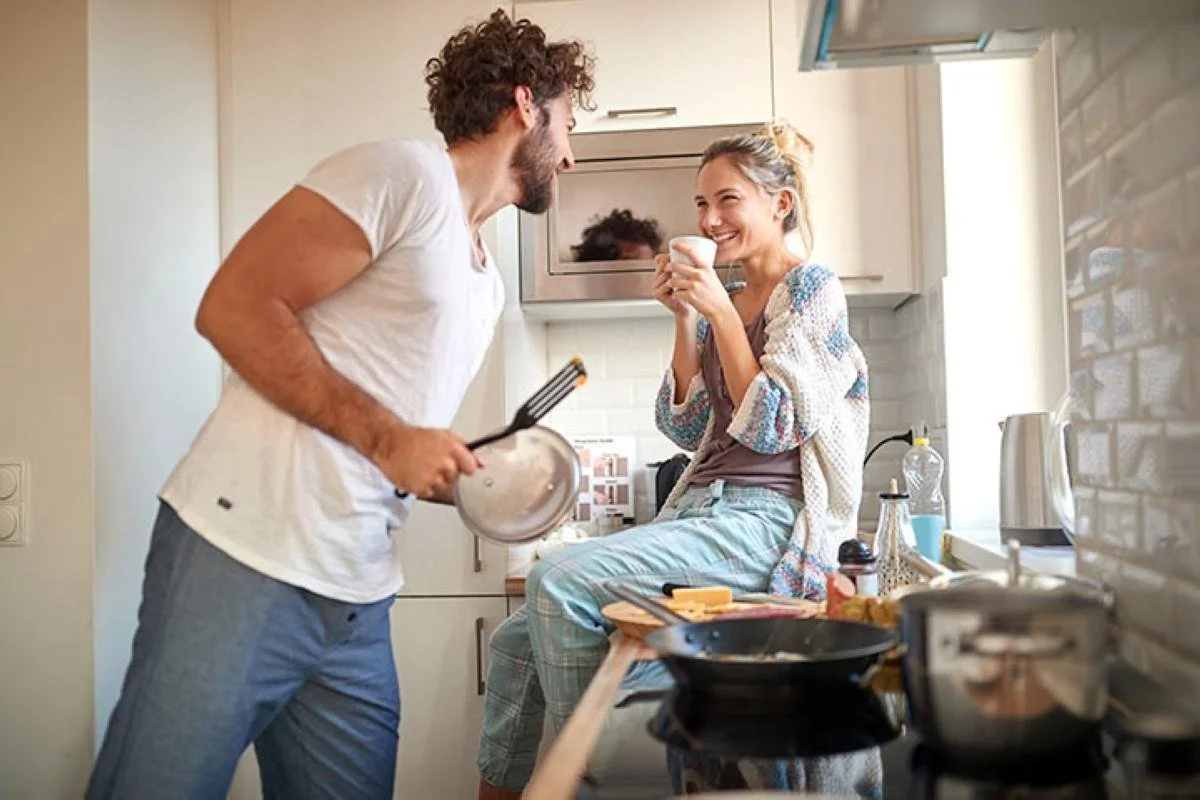
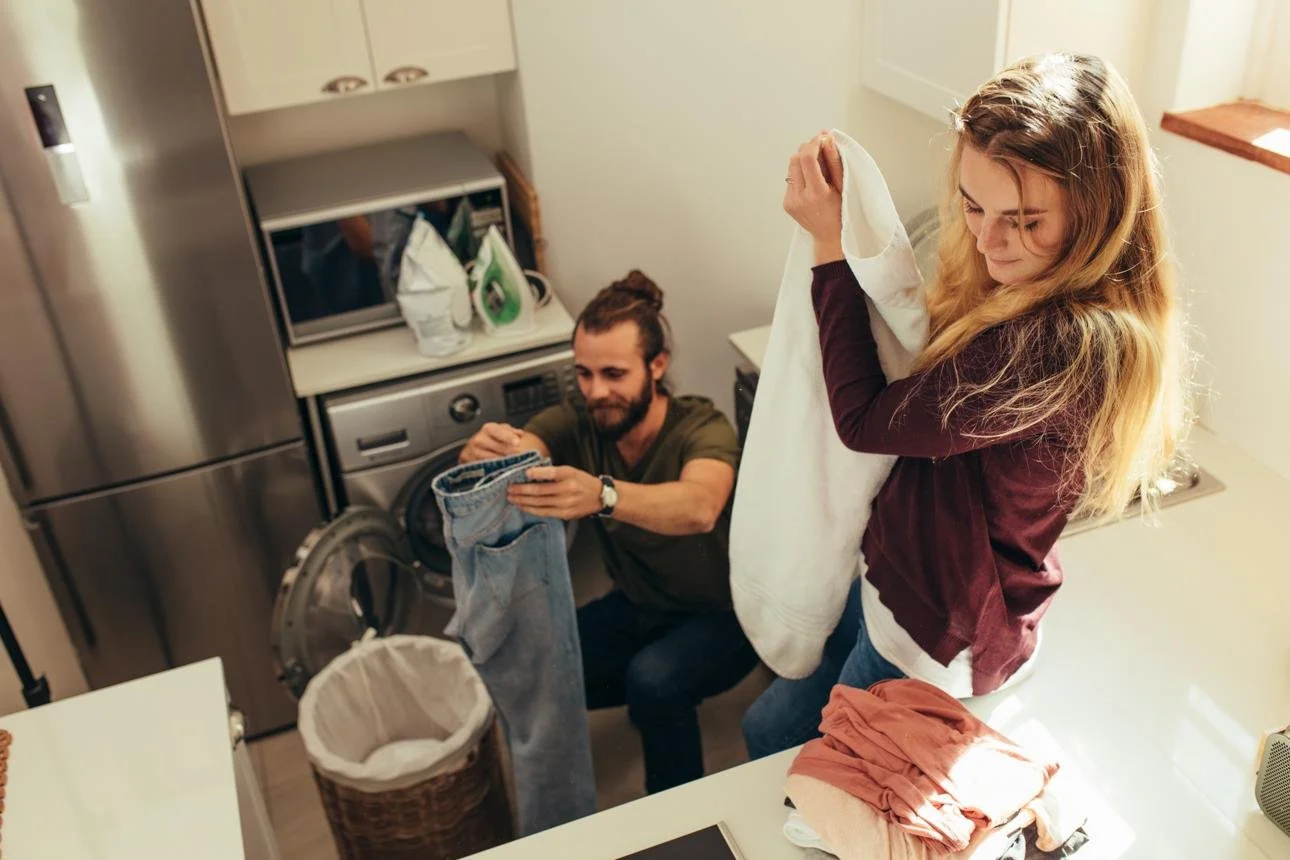
Or maybe you're not fighting constantly at all. You're functioning beautifully on paper: work, kids, dinner, logistics, and quietly wondering when you became such excellent roommates.
The problem usually isn't that you don't care. It's what happens between you when you do.
You might recognize yourselves here.
The same argument keeps showing up in different disguises
One of you reaches while the other retreats
Resentment has quietly moved into the spare bedroom.
You're communicating plenty, you're just not feeling understood
Trust has been hurt and you don't know how to rebuild it
Emotional or physical intimacy feels different
Parenting, fertility, work, or family stress has changed your relationship
You actually like each other and want to keep it that way
What I’m Paying Attention To
I'm listening to what you're saying. But I'm also paying attention to what happens while you're saying it.
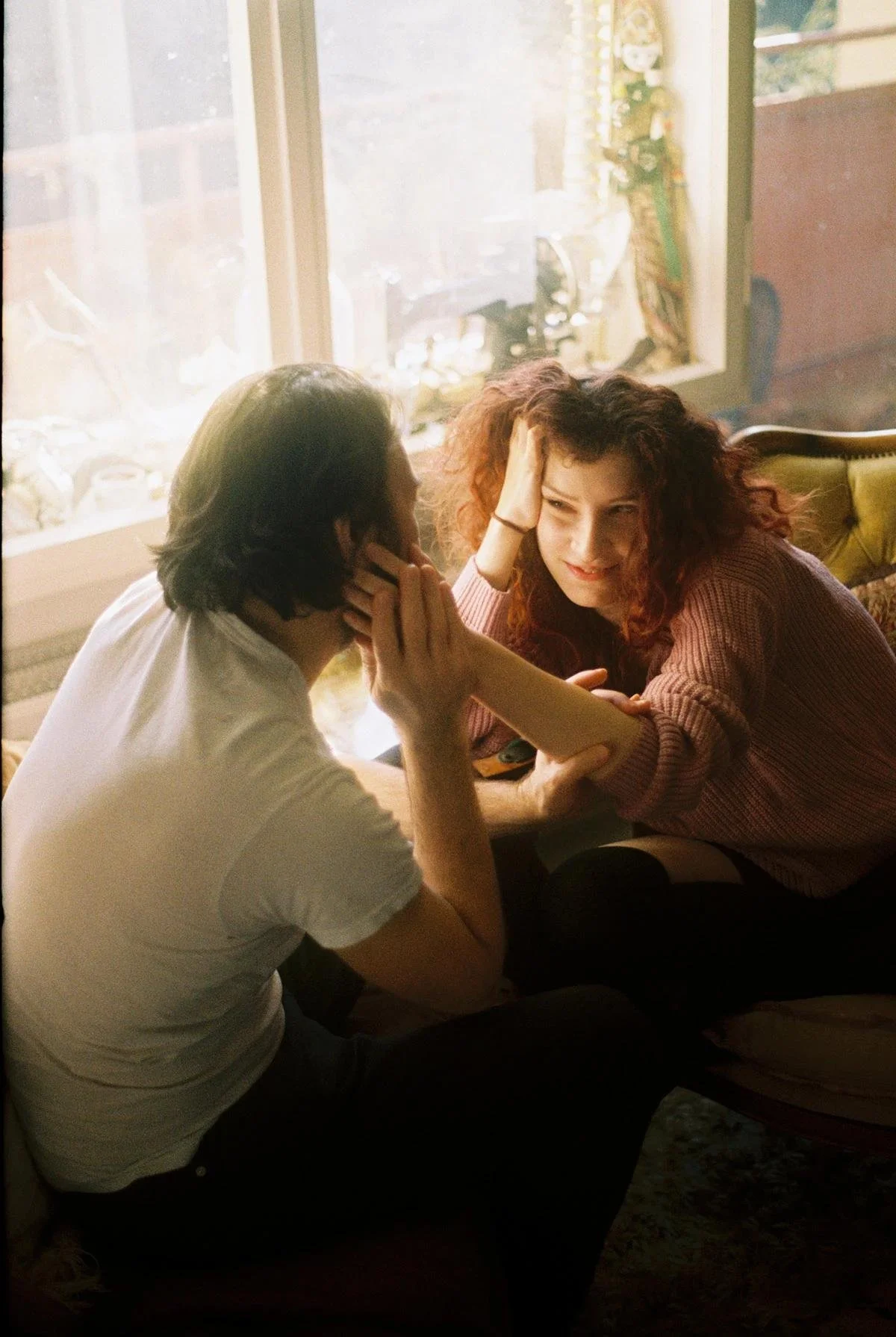
The tiny shift in tone. The joke that lands a little harder than intended. The moment one of you reaches and the other braces. The argument about dishes that is very clearly no longer about dishes.
Those moments tell us something.
Rather than deciding who is right, I'm interested in helping us understand the pattern you're creating together; what each of you is protecting, what happens in your bodies when things get activated, and what each of you is actually trying to communicate underneath the reaction.
Because once we can catch the pattern while it's happening, you have a chance to do something different.
Yes, Parenthood Changes Things.
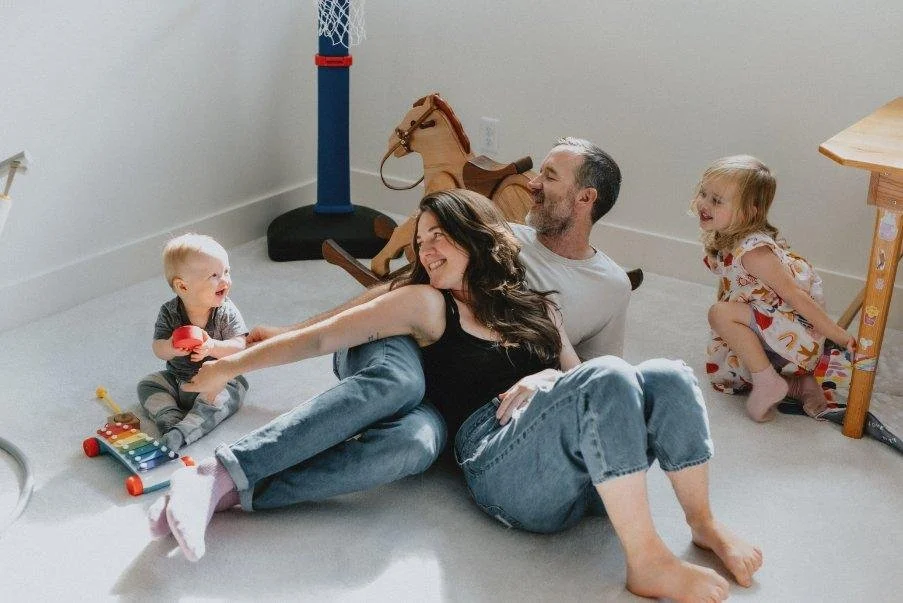
Having a baby can somehow make you love your partner more than you ever have and also feel irrationally furious about the way they loaded the dishwasher.
Parenthood changes bandwidth, identity, intimacy, sleep, roles, expectations, mental load, basically every ingredient a relationship was previously operating with.
Add fertility treatment, pregnancy, postpartum, or complicated family histories, and there's even more happening underneath the surface.
I have a particular interest in helping couples navigate these transitions without turning one another into the enemy.
What Couples Therapy With Me Actually Looks Like
We will talk. But we probably won't spend 50 minutes talking about the argument you had Tuesday.
Sometimes I'll slow you down because something important just happened between you.
Sometimes we'll notice what happened in your body half a second before you shut down, snapped, defended yourself, or tried harder to be understood.
Sometimes I'll give you something practical to try at home.
And occasionally I'll point out that you've just recreated the exact pattern we've been discussing, right here in my office.
(Convenient for me. Slightly annoying for you. Very useful for us.)
Hi, I’m Sophie. I’ll Be the Third Person in the Room.
I’m not here to decide who’s right, translate every argument into therapy-speak, or make you stare into each other’s eyes for an uncomfortable amount of time.
I’m here to help you notice what happens between you, especially in the moments when you both swear the other person started it.
My style is warm, direct, curious, and very human. I pay attention to the patterns underneath the argument, what happens in your bodies when things get activated, and the ways you each protect yourselves when connection starts to feel risky.
We’ll make room for the serious stuff. We’ll probably laugh, too. And yes, sometimes there’s swearing in sessions.
You don’t need to perform being a “good couple” in my office. You just need to show up as the couple you actually are.

-
I’m a Licensed Marriage and Family Therapist, but I’m also a real person with a real life and a deep appreciation for how complicated relationships can be.
My work has always been rooted in relationships, how we connect, how we protect ourselves, what happens when old experiences show up in present-day moments, and why the people we love most somehow know exactly which button to push.
I’m especially interested in the transitions that tend to shake up even solid relationships: becoming parents, fertility treatment, pregnancy and postpartum, changing family roles, and figuring out who you are together when life looks different than it used to.
I bring warmth, curiosity, humor, and a lot of humanity into the room. I don't believe therapy needs to feel overly clinical to be meaningful.
Basically, you can bring the complicated, contradictory, slightly messy version of your relationship. I can work with that.
-
I’m an active therapist. I’m not going to sit quietly, nod occasionally, and send you home wondering what exactly just happened for the last 50 minutes.
I’ll ask questions. I’ll slow you down. I’ll point out patterns as they happen. And sometimes I’ll interrupt, kindly, when the conversation you’ve had 47 times at home starts happening right in front of me.
We’ll pay attention not only to what you’re arguing about, but what happens underneath it: the tightening in your chest, the urge to defend yourself, the moment you check out, the story your brain tells you about what your partner really meant.
My work is informed by relational and body-based approaches, including Integrative Body Psychotherapy (IBP), which means we’re interested in more than simply learning the “right” communication technique. We’re looking at what makes those techniques suddenly disappear from your brain when you're activated.
There will be room for depth, practical tools, uncomfortable conversations, humor, and probably the occasional swear word.
The goal isn’t to become a couple who never gets activated. It’s to get better at recognizing what’s happening and finding your way back to each other when you do.
Things You Might Be Wondering
Whether you think of it as couples therapy, marriage counseling, or simply needing some help with your relationship, you don't have to wait until things are falling apart to come in.
-
Nope. Some couples come in because things feel genuinely hard. Others come in because they’ve noticed a pattern they don’t want to keep repeating.
You don’t need to wait until someone is sleeping on the couch or Googling “is this normal?” at 1 a.m.
Sometimes the best time to work on your relationship is when you still really like each other and would prefer to keep it that way.
-
Extremely normal.
You do not both need to arrive equally enthusiastic, emotionally articulate, and ready to discuss your deepest feelings. I’m much more interested in whether you’re both willing to show up and be curious about what’s happening between you.
You’re allowed to be skeptical. You’re even allowed to tell me you’re skeptical.
-
Unfortunately, no. Very inconvenient, I know.
My job isn’t to referee the argument or decide whose version of events wins. I’m paying attention to the pattern happening between you — what each of you is reacting to, protecting, assuming, needing, and communicating underneath the actual disagreement.
Usually, figuring that out gets us much further than determining who technically started it.
-
Perfect. Bring it.
Recurring arguments are often useful because the topic may change, but the underlying pattern tends to be remarkably consistent.
We’ll get curious about what happens in the seconds before things go sideways — including what happens in each of your bodies — so you can start recognizing the pattern before you're already ten minutes into it.
-
Yes. I have a particular interest in working with couples through fertility treatment, pregnancy, postpartum, early parenthood, and the enormous identity and relationship shifts that can come with building a family.
These seasons can put pressure on intimacy, communication, roles, mental load, family boundaries, and your sense of yourselves as a couple.
We can make room for all of that without assuming the relationship itself is the problem.
-
You don't have to know before you contact me.
That’s part of what the free consultation is for. You can tell me what’s been happening, ask questions, get a feel for me, and we can decide whether working together makes sense.
No awkward therapy audition required.
Couples therapy in La Quinta & throughout the Coachella Valley
I offer in-person couples therapy from my La Quinta office for couples throughout the Coachella Valley, including Palm Desert, Indio, Rancho Mirage, and Palm Springs, with online therapy available throughout California.